EVOLVE is Sand’s annual summit bringing together technology leaders, policymakers and practitioners working at the intersection of AI and critical infrastructure.
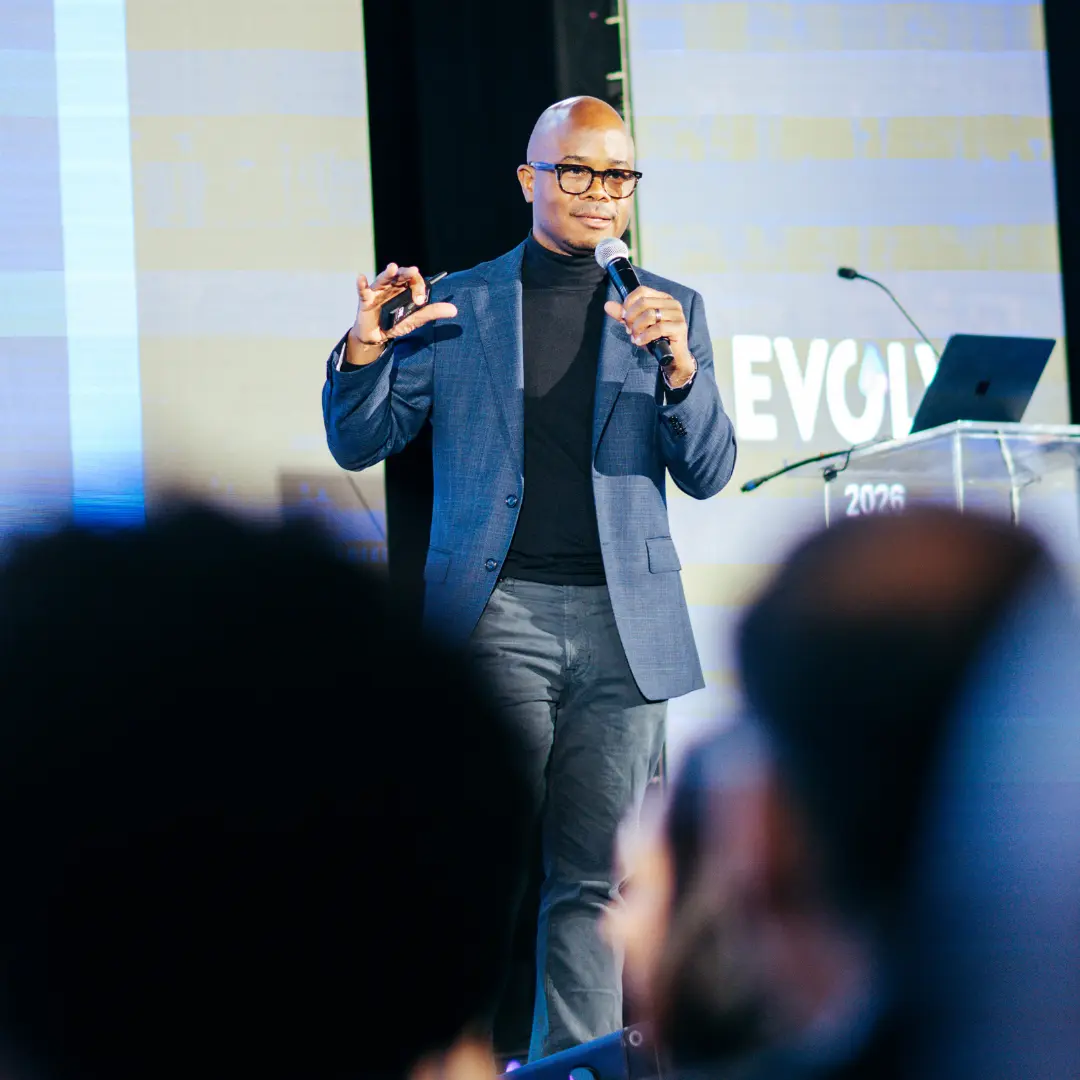
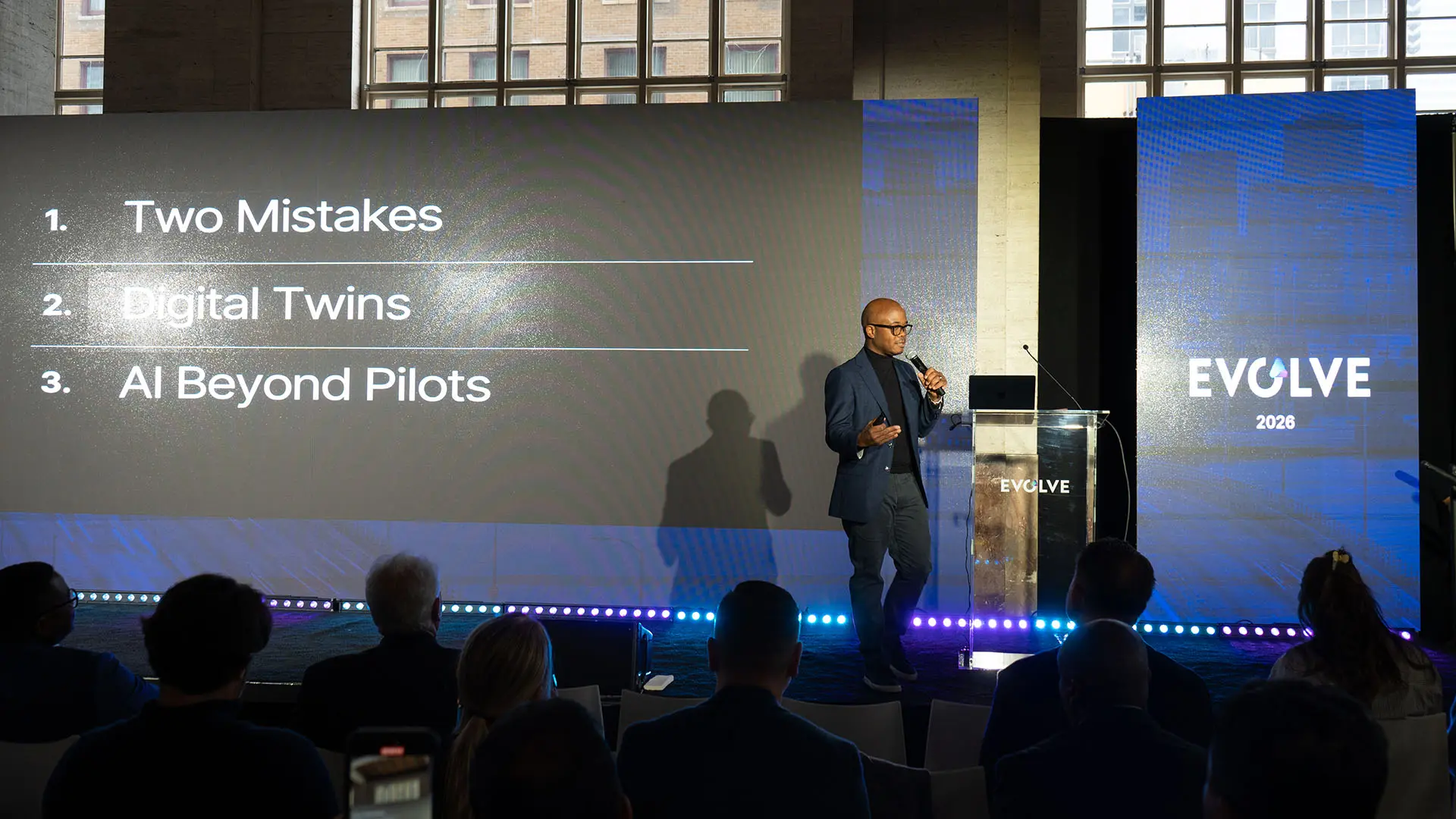
Opening Evolve 2026, Fred Swaniker laid out Sand’s vision for the next era of AI. His argument was simple but provocative: we’ve built extraordinary intelligence for the digital world, yet the vast majority of the world’s operational data still sits beyond the reach of today’s AI systems—in infrastructure, industrial equipment and enterprise operations. The next frontier isn’t generating more information. It’s connecting intelligence to the physical world.
Organizations continue to make the same two mistakes with AI: they forget the humans who have to work with the technology, and they mistake chat tools for the full scope of the field.
Fred Swaniker’s keynote challenged that narrow view with a simple but powerful observation: only around 10% of the world’s data lives on the internet. The other 90% sits inside sensors, enterprise systems and physical infrastructure—the systems that power cities, industries and critical services.
The opportunity, he argued, isn’t just to build smarter models. It’s to connect AI to the physical world through a simple loop: Sense. Analyze. Act.
While large language models have transformed how we interact with information, they only operate on a small fraction of the world's available data. The greater opportunity lies in connecting AI to operational systems that shape how cities, utilities and industries function every day.
Collecting more data isn't enough. Neither is generating better insights. The keynote repeatedly returned to a simple principle: value is only created when organizations can sense what's happening, analyze it effectively and act on those insights in real time.
Quoting economist Robert Solow's famous Productivity Paradox, Fred argued that organizations continue to underestimate the human side of transformation. AI adoption requires not only new technology, but new skills, new operating models and leaders capable of helping people work alongside intelligent systems.
of the world's data is on the internet
untapped, in sensors & enterprise systems
launches announced on stage
Frontier Institute tuition
“You can see the computer age everywhere but in the productivity statistics.”
For much of the past decade, the AI conversation has focused on generating content, answering questions and improving digital experiences. Fred’s keynote argued that the next wave of value creation will come from somewhere very different: applying intelligence to the systems that power the physical world.
That shift has significant implications for organizations across every sector. Competitive advantage will increasingly depend not on access to AI alone, but on access to operational data—and the ability to connect that data across fragmented systems, generate meaningful insights and translate them into action. In other words, the challenge is no longer simply making AI smarter. It’s making organizations more intelligent.
The keynote also broadened the definition of Physical AI beyond technology. Sand’s three announcements reflected a more complete view of what adoption requires: platforms to connect infrastructure, operating systems to orchestrate intelligence and institutions to develop the people who will work alongside it. Taken together, they represent an ecosystem approach to AI rather than a collection of products.
Perhaps the keynote’s biggest challenge to the audience was this: if only a small fraction of the world’s data is currently informing AI, then the greatest opportunity isn’t improving what AI already knows—it’s giving it access to the rest of the world.

Founder & CEO, Sand