Evolve 2026/ Session notes

Governing Smarter: How AI is Advancing Modern Cities

EVOLVE 2026 · MIAMI · PANEL · SESSION 02

Leigh-Ann Buchanan (moderator) · April Rai · Dartanion Swift-Williams · John Matelski · Matt Fraser · 6 min read

Watch Full Session

THE 60-SECOND READ

Cities are not short on data. They are short on authority, trust, and coordination. The panel’s core argument: AI in government is a leadership problem before it is a technical one, and the projects that scale are the ones with sponsors at every level and a mission people can rally behind.

Key Highlights

By the numbers (data points sidebar)

residents served by NYC agencies
0 M+
buildings in New York City
0 M
agencies for one childcare application
0
levels of sponsorship needed
0

In their words

“We don’t think AI should replace judgment. It should sharpen it, so that human decisions are sharper and more informed.”
April Rai, President & CEO, COMTO

Notes

Much of the discussion was about the psychological layer of adoption. Who has the authority to act? Will this suggest someone isn’t doing their job? The panel’s answer was framing: tell the story as improving outcomes for residents, never as replacing people or criticizing existing work.

Procurement got direct attention. Pilots work well as a try-before-you-buy mechanism. The problem is what comes after: most counties lack the agile procurement and governance policies to turn a successful pilot into full-scale deployment, and that is where public-sector AI projects most often die. Cross Country Collaboration and pilot-based procurement were offered as practical fixes.

The panel closed on foundations. Quality data and process have to come before AI is layered on top. The partnership model worth rewarding: vendors who help governments build those foundations, not vendors who simply extract data for their own models.


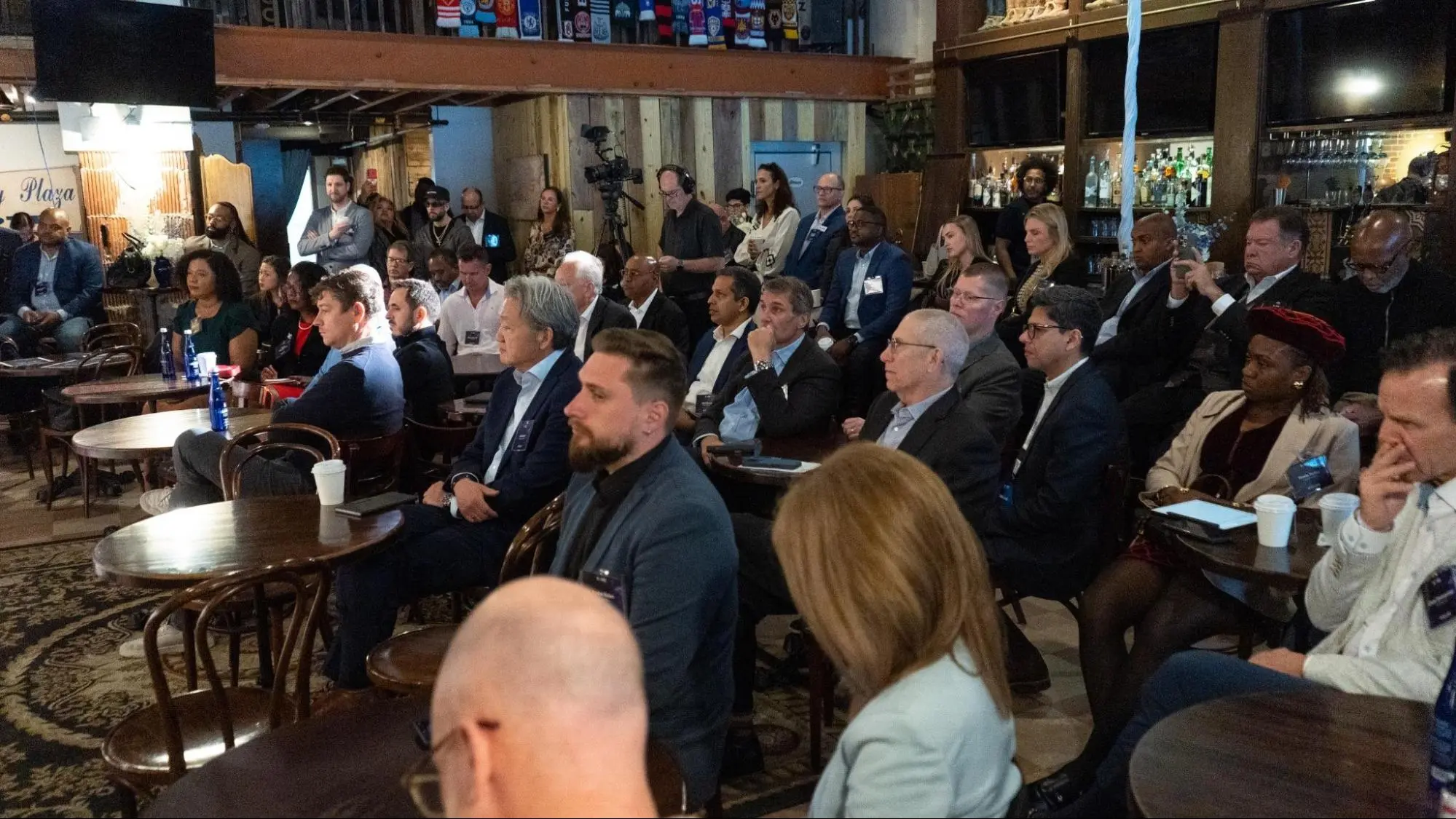
From the room (session gallery)

Related session

Get started

Physical AI for Critical Infrastructure.