
The Frontier presentation walked through the design. Students pick the social or economic problem they want to solve, and the curriculum builds around that mission. Every graduate ships a real-world project, venture, or product. Learning is community-driven, with peer networks and accountability systems, and digital-first without being digital-only: city hubs and immersive global experiences are part of the model, because students with international exposure learn more and earn more. Pathways run from short courses for working professionals to accelerated three-year bachelor’s degrees and master’s programs.
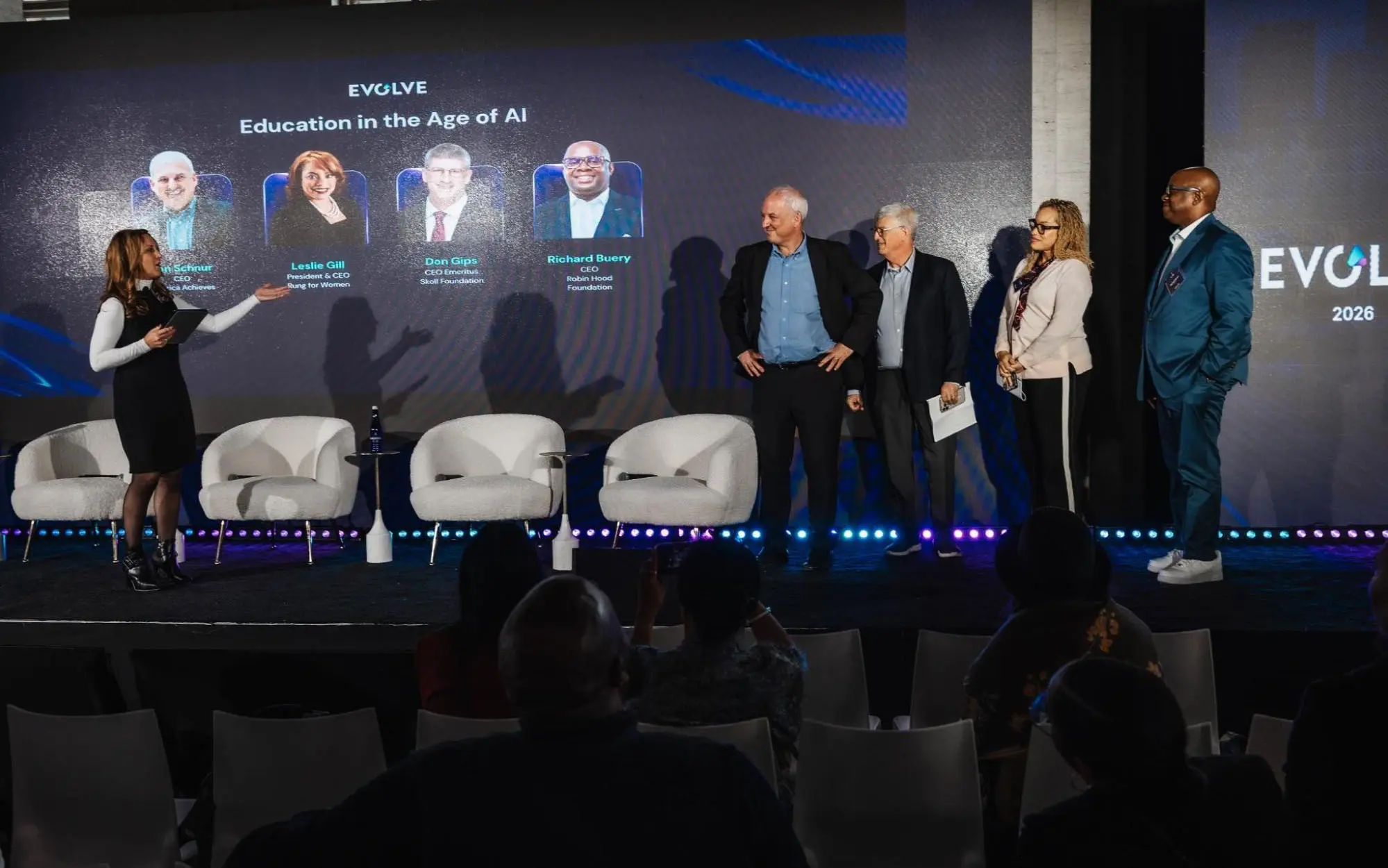
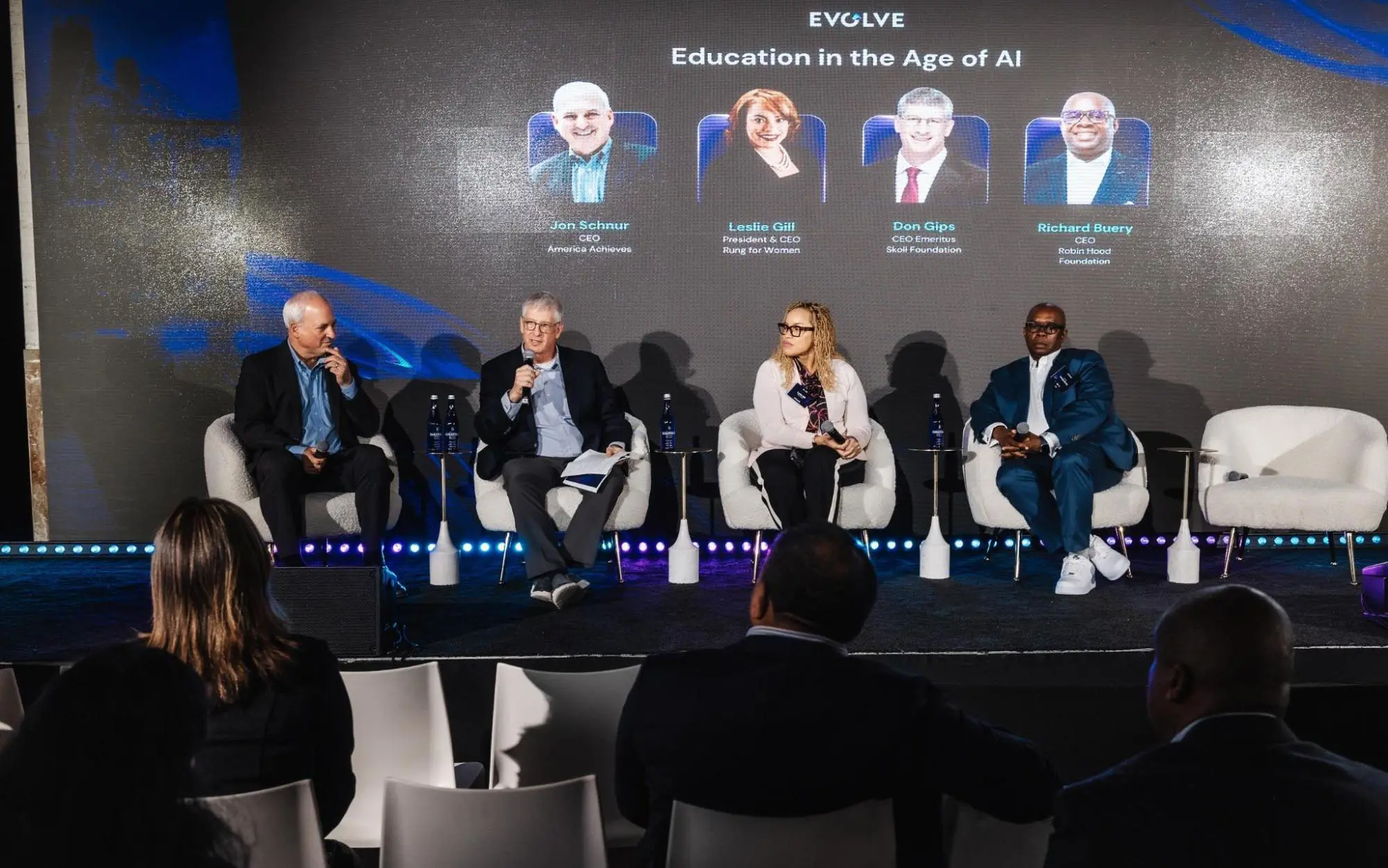
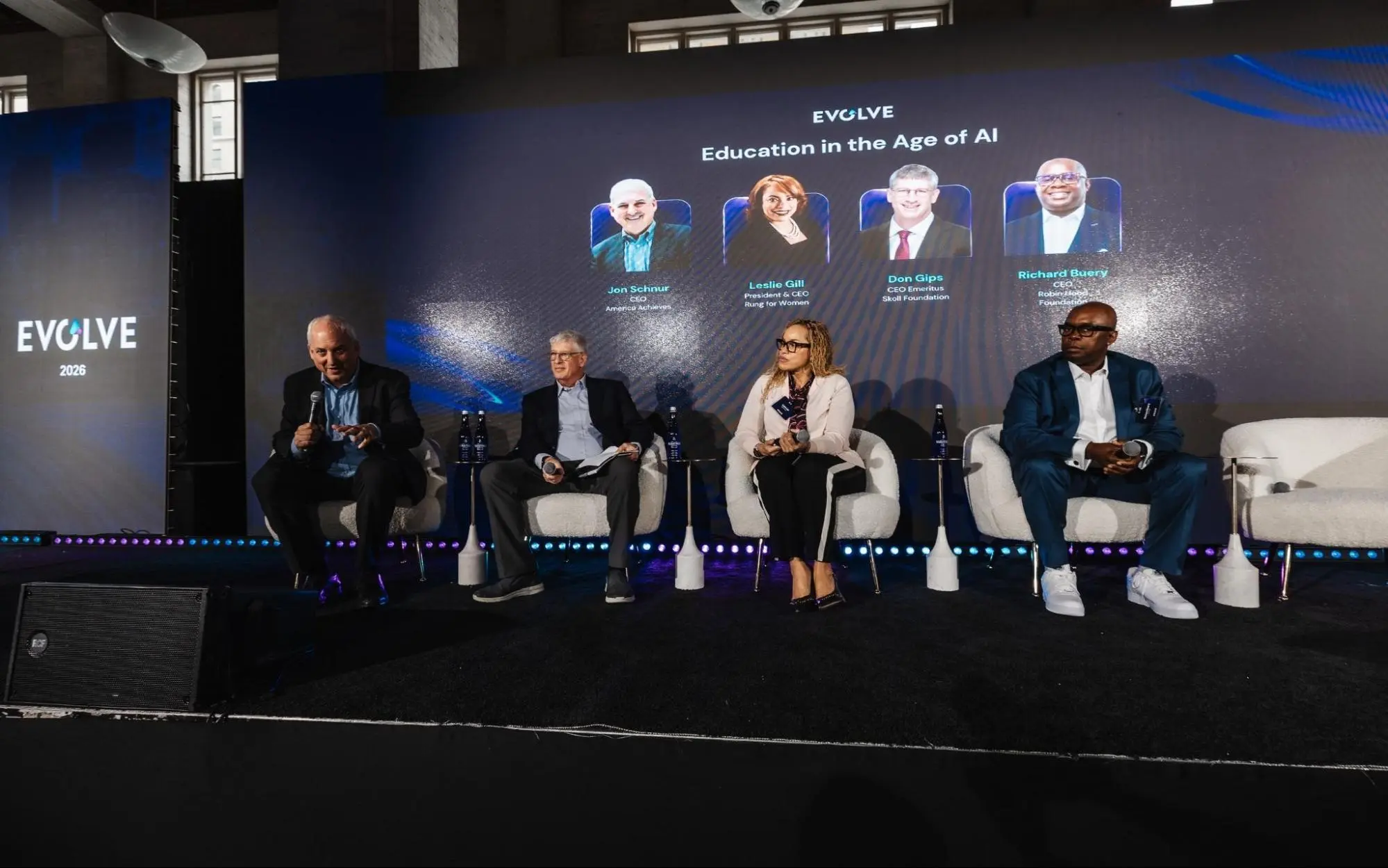
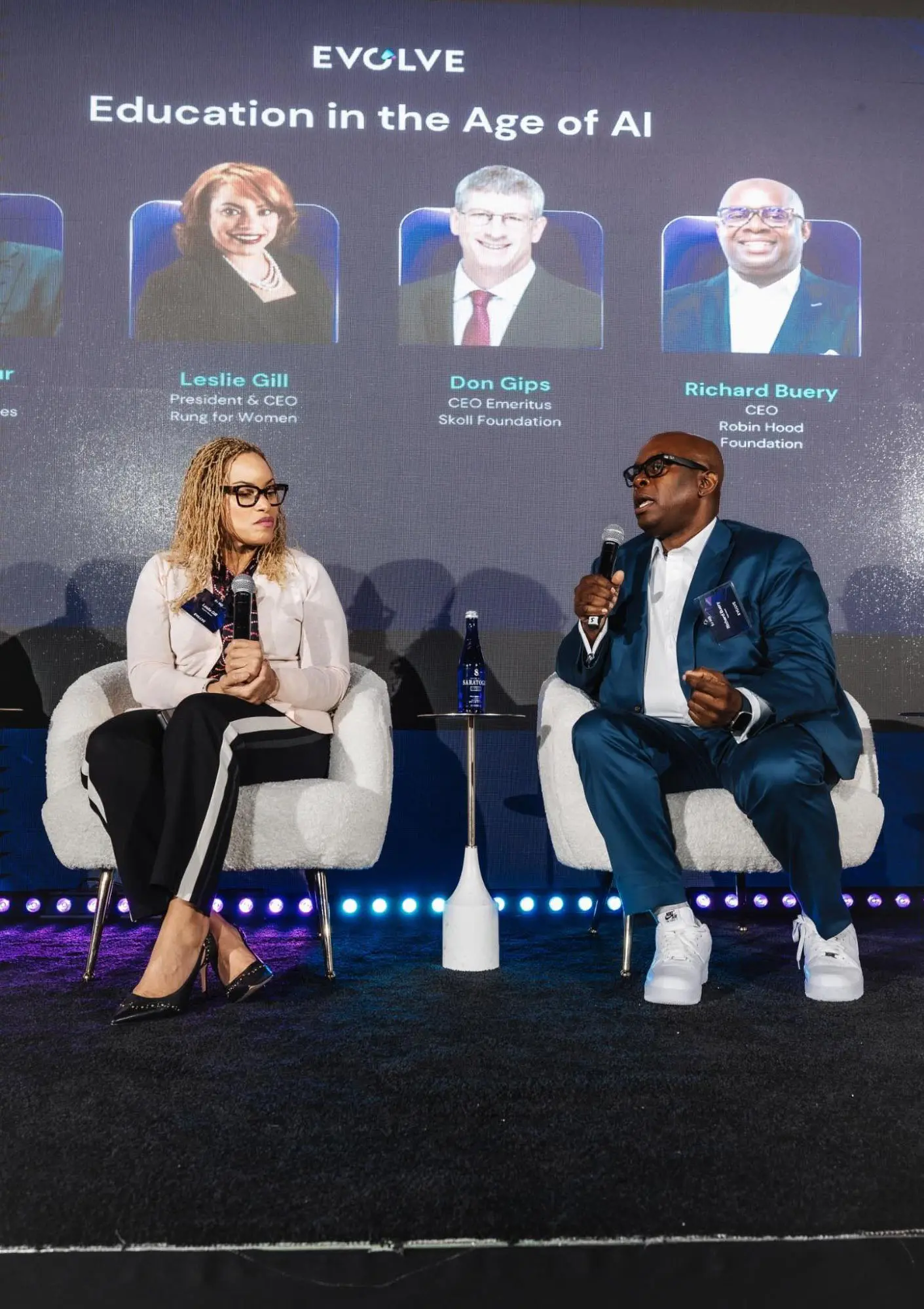
The leaders panel was blunt. Asked whether the US has a talent strategy at scale, all three said no. Institutions are disconnected from each other. Employers can’t say what skills they need because AI keeps changing the answer. And the existing workforce, not just young people, needs retraining that nobody is providing.
The closing charge to employers was practical. Rewrite job descriptions around the skills actually needed. Invest in work-based learning. Stop screening people out with credential requirements that no longer predict performance. The larger question stayed open: whether new institutions like Frontier can scale before the disruption arrives in full.